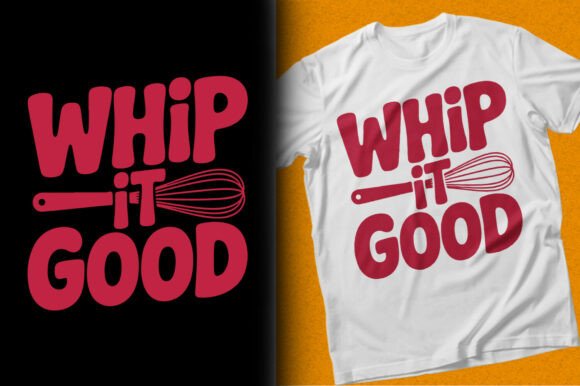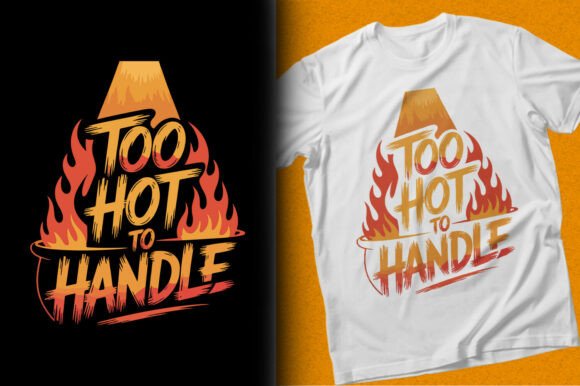
Too Hot to Handle Cooking T-shirt Design Review
When I first opened the Too Hot to Handle Cooking T-shirt Design, my initial reaction wasn't just about the cute graphics; it was about the potential for a finished product. As someone who has spent years stitching out designs on everything from delicate baby onesies to heavy-duty aprons, I know that a digital file is only as good as how it translates to thread and fabric. This bundle promises six unique creations centered around baking and kitchen tools, but does it hold up under the needle? In this review, I am putting this design through the same scrutiny I apply to every asset before I sell it or use it in a client project.
The First Impression: Mood and Visual Personality
The name alone sets a playful tone. "Too Hot to Handle" suggests heat, spice, and a bit of rebellious fun in the kitchen. Visually, the layout feels balanced, which is crucial for embroidery where space is often limited by hoop size. The design doesn't scream for attention with chaotic elements; instead, it relies on strong shapes and clear lines that are perfect for translating into machine embroidery design formats. It creates an immediate association with warmth and comfort, making it ideal for holiday gifts, bridal showers, or any kitchen-themed event.
The visual personality is approachable yet professional. It avoids the cluttered look that often plagues low-quality graphic bundles. Instead, it offers a clean aesthetic that allows the texture of the thread to shine. Whether you are planning a tote bag design for a local farmer's market or a personalized gift for a new homeowner, this design strikes the right chord. It feels like something a customer would proudly display, not hide in the back of a closet.
Real-World Application: From Screen to Stitch
I recently tested this design concept on a custom embroidered sweatshirt for a small boutique client who specializes in kitchenware. The goal was to create a limited-run collection for a fall baking sale. Using the embroidery file from this bundle, I moved straight to the hoop. The first thing I noticed was how well the spacing held up during digitization adjustments. Unlike some designs that require extensive rework to fix broken connections, this one had a logical flow.
The result was a stunning piece of custom apparel. The satin stitch areas came out crisp, capturing the details of the cooking utensils without any puckering. When placed on the left chest of a navy blue sweatshirt, the contrast was perfect. The design didn't get lost in the fabric weave; it stood out with a tactile quality that digital prints simply cannot replicate. Customers at the craft fair loved the handmade feel. They could run their fingers over the texture and see the care put into the finished product.
This versatility extends beyond sweatshirts. Imagine this design stitched onto a thick canvas tote bag for a wedding shower favor. The durability of the stitches ensures that even after multiple washes, the image remains vibrant. It works equally well on a soft cotton baby item, adding a whimsical touch to a nursery outfit. The design assets provided here are robust enough to handle various applications, from kitchen towels to pillow covers.
Navigating Challenges: Where Caution is Key
While the design is strong, no single file is a magic bullet for every situation. There are specific scenarios where Too Hot to Handle Cooking T-shirt Design requires careful handling. If you are working with very small hoop sizes, such as those used for caps or hat patches, you must evaluate the detail level. Tiny lettering or intricate corners can sometimes get lost if the stitch density is too high for the available surface area.
Textured fabrics also present a challenge. On a rough burlap or a highly textured linen, the definition of the running stitch might soften. Similarly, thin or stretchy fabrics like lightweight jersey require a firm stabilizer to prevent distortion. If you attempt this design on dark fabric without proper underlay or thread selection, the colors might appear muddy. Always test your thread colors against the fabric background to ensure maximum visibility.
Furthermore, products that undergo frequent washing, like aprons or tea towels, need extra attention to stitch density. Too much density can make the fabric stiff and uncomfortable, while too little can lead to fraying. For curved surfaces like caps, the design may need slight reshaping to follow the contour of the head without bunching. These nuances are what separate a hobbyist from a professional decorator.
Practical Designer Notes for Success
Before you commit to a large production run, there are essential steps every designer should take. First, always test the design on scrap fabric that matches your final material. This helps you gauge how the fill stitch behaves and whether the stabilizer is sufficient. Second, inspect the small details closely. Sometimes, tiny gaps in the digitization become problematic when scaled down.
Reviewing the design in black and white mockups is another smart move. This strips away color distractions and lets you see the true structure of the design. Does it have a solid silhouette? Is the balance correct? Additionally, check the licensing terms carefully. If you plan to sell these as part of your Etsy listings or small shop product line, you need to confirm that you have the commercial rights to do so. Many digital products come with restrictions that vary by creator.
Finally, consider the overall brand consistency. If you are building a craft business around kitchen themes, ensure this design aligns with your other offerings. A cohesive look builds trust with buyers. The embroidery project should feel like a natural extension of your brand identity, not just a random addition.
Final Thoughts on Value and Appeal
The Too Hot to Handle Cooking T-shirt Design bundle delivers on its promise of quality. It offers a practical, visually appealing solution for anyone looking to elevate their handmade product offerings. The design's ability to convey a fun, cozy mood makes it highly giftable and commercially viable. Whether you are creating holiday embroidery pieces, wedding gifts, or commercial embroidery for a corporate event, this file provides a solid foundation.
It is important to remember that the success of the final piece depends heavily on your execution. Proper machine setup, thread choice, and stabilizer usage are just as critical as the design itself. By following best practices and testing thoroughly, you can turn this digital asset into a tangible treasure that customers will cherish. For designers, sellers, and makers looking to add value to their inventory, this bundle is a worthy investment that balances creativity with technical reliability.